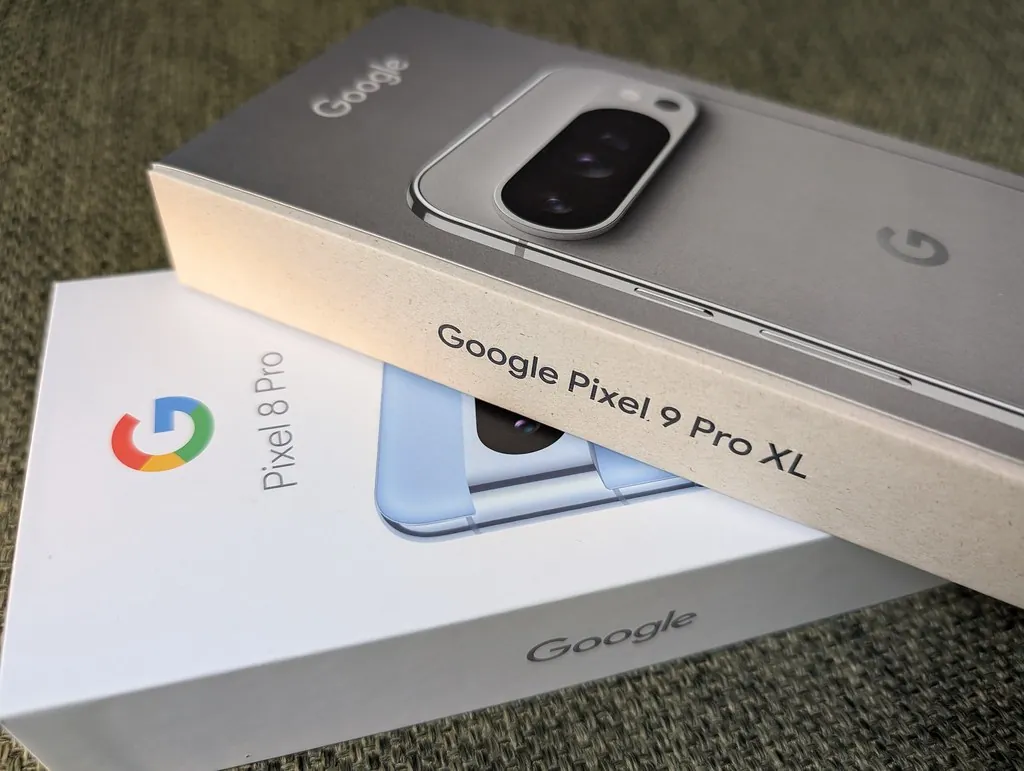
I have carried both daily for years – currently a Pixel 10 Pro as my main phone and an iPhone 17 for client work where I need iMessage. After six months of real Toronto IT consulting on both (calendar wrangling, doc editing on transit, screenshare from coffee shops), here is what actually matters in 2026.
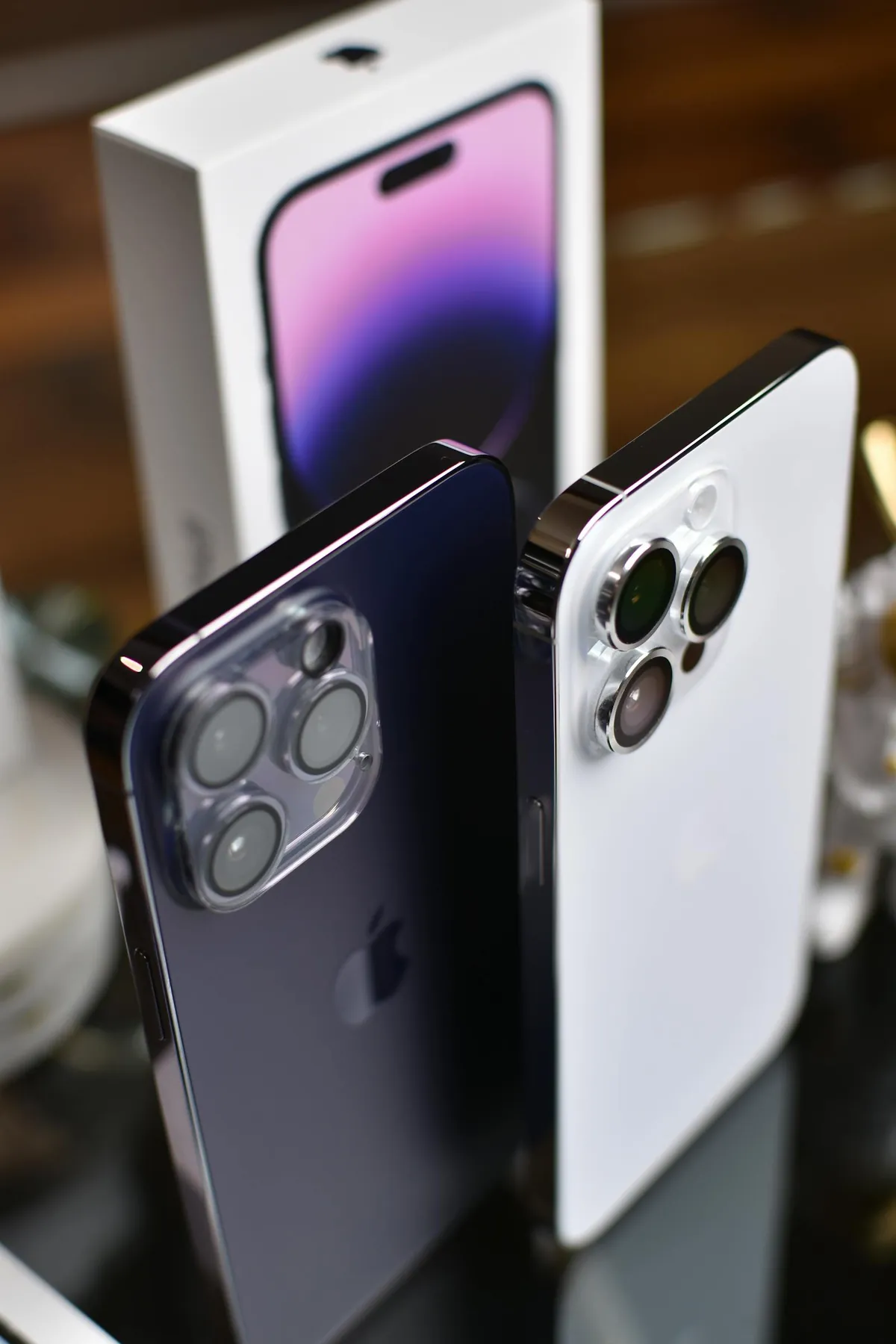
Which has better AI features for getting work done?
Android, by a clear margin. Google Gemini Nano on-device model runs without internet and is genuinely useful: summarize a 40-message Slack thread, transcribe a Zoom call locally, draft a reply in Gmail. Pixel Screenshots (the AI-indexed screenshot vault) has saved me dozens of where-did-I-see-that moments.
Apple Intelligence on iOS 19 still feels half-finished. Writing Tools work for basic rewrite. Genmoji is fun. The promised personalized Siri context remains delayed. Real productivity wins are thin compared to Gemini.
What about multi-tasking and split-screen?
Android wins again. Pixel and Samsung both do real split-screen with two apps side by side, plus floating pop-up windows. Samsung DeX mode turns the phone into a desktop when plugged into a monitor.
iOS 19 finally added Stage Manager-style window management on iPad but on iPhone it is still one app at a time with Picture-in-Picture video.
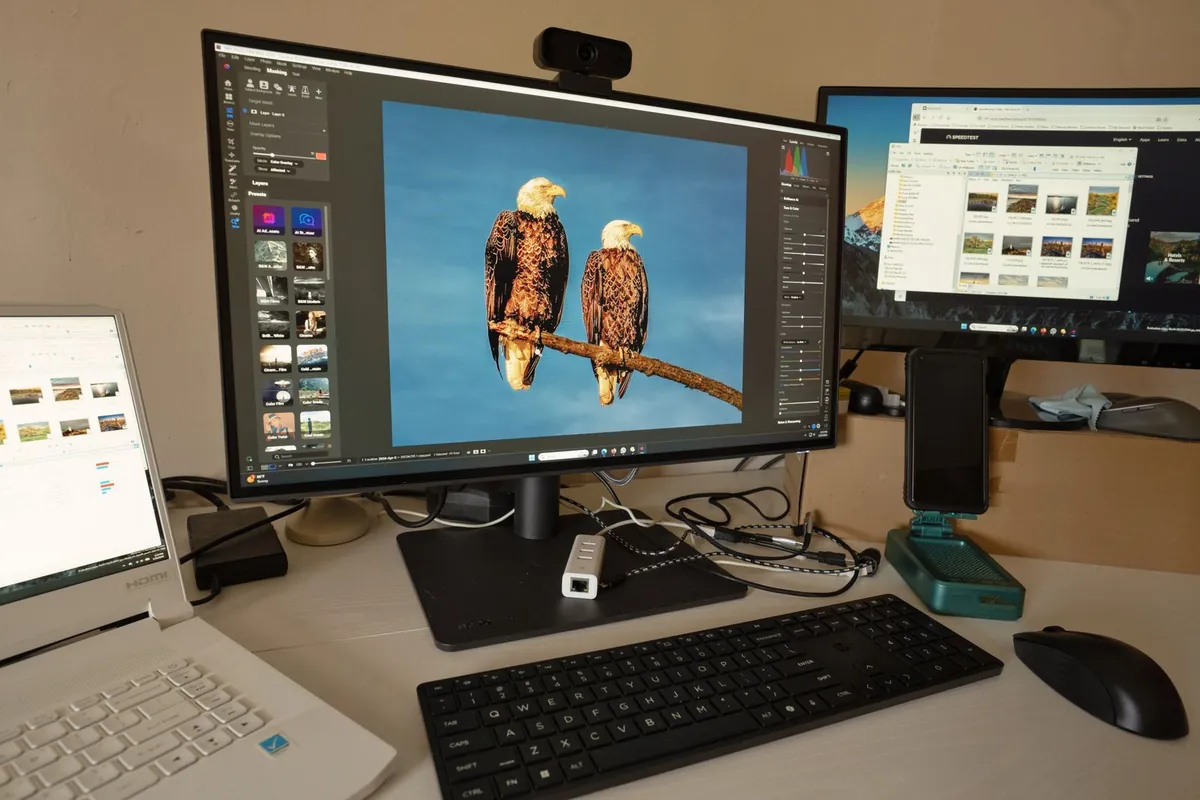
Which has better productivity apps?
Honestly, tie. Microsoft 365, Notion, Slack, Asana, Todoist, Google Workspace – all available on both, near feature parity. iOS sometimes gets a new app feature first (a week or two early) but it evens out.
The real difference is default app freedom. Android lets you change default browser, mail, messages, launcher. iOS finally allows third-party defaults for browser and mail (EU pressure) but the integration is shallow.
How does ecosystem lock-in compare?
If you have a Mac, an iPad, and AirPods, iPhone is the obvious pick. Handoff, AirDrop, Universal Clipboard, iMessage continuity actually save real minutes per day.
If you live in Chrome, Gmail, Google Drive, and have a Windows PC, Android (especially a Pixel) is the obvious pick. Quick Share works to Windows 11 24H2 natively. Google Messages with RCS now talks to iPhones in iOS 19.
What about price in USD and CAD?
| Phone | USD | CAD | Storage |
|---|---|---|---|
| iPhone 17 | $799 | C$1,099 | 128 GB |
| iPhone 17 Pro | $999 | C$1,449 | 256 GB |
| Pixel 10 | $699 | C$949 | 128 GB |
| Pixel 10 Pro | $899 | C$1,249 | 256 GB |
| Galaxy S26 | $999 | C$1,449 | 256 GB |
Which has better battery for long workdays?
Pixel 10 Pro 5,200 mAh routinely gets me 8-9 hours of screen-on time. iPhone 17 Pro: 6-7 hours. Samsung S26 Ultra is the winner of the bunch.
What about security and updates?
Tie. Apple supports iPhones with iOS updates for 5-6 years. Google now promises 7 years on Pixel 8 and newer. Samsung matches at 7 years on Galaxy S24 and up.
For password management on either platform, see my password manager guide. For cloud photo backups across iPhone and Android, my phone photo backup guide covers iCloud vs Google Photos. For streaming from either phone to your TV, my phone-to-TV guide handles both ecosystems.
Frequently Asked Questions
Does iMessage still matter in 2026?
Less than ever. iOS 19 supports RCS so iPhone-to-Android messages get read receipts, typing indicators, and high-res media.
Can I use AirPods with Android?
Yes, as basic Bluetooth earbuds. You lose hands-free Siri and auto-switching. For full features on Android, Pixel Buds Pro 2 or Galaxy Buds3 Pro.
Is the Pixel 10 better than Samsung S26?
For pure software and AI features, Pixel. For hardware quality, display, and zoom camera, Samsung S26 Ultra.
What about foldables?
Samsung Z Fold 6 and Google Pixel Fold 2 are real productivity tools. Apple still has no foldable in 2026.
Which is better for privacy?
iPhone, slightly. Apple makes more money from hardware than ads. But GrapheneOS on a Pixel is the most private mobile OS available.
